Cart
0
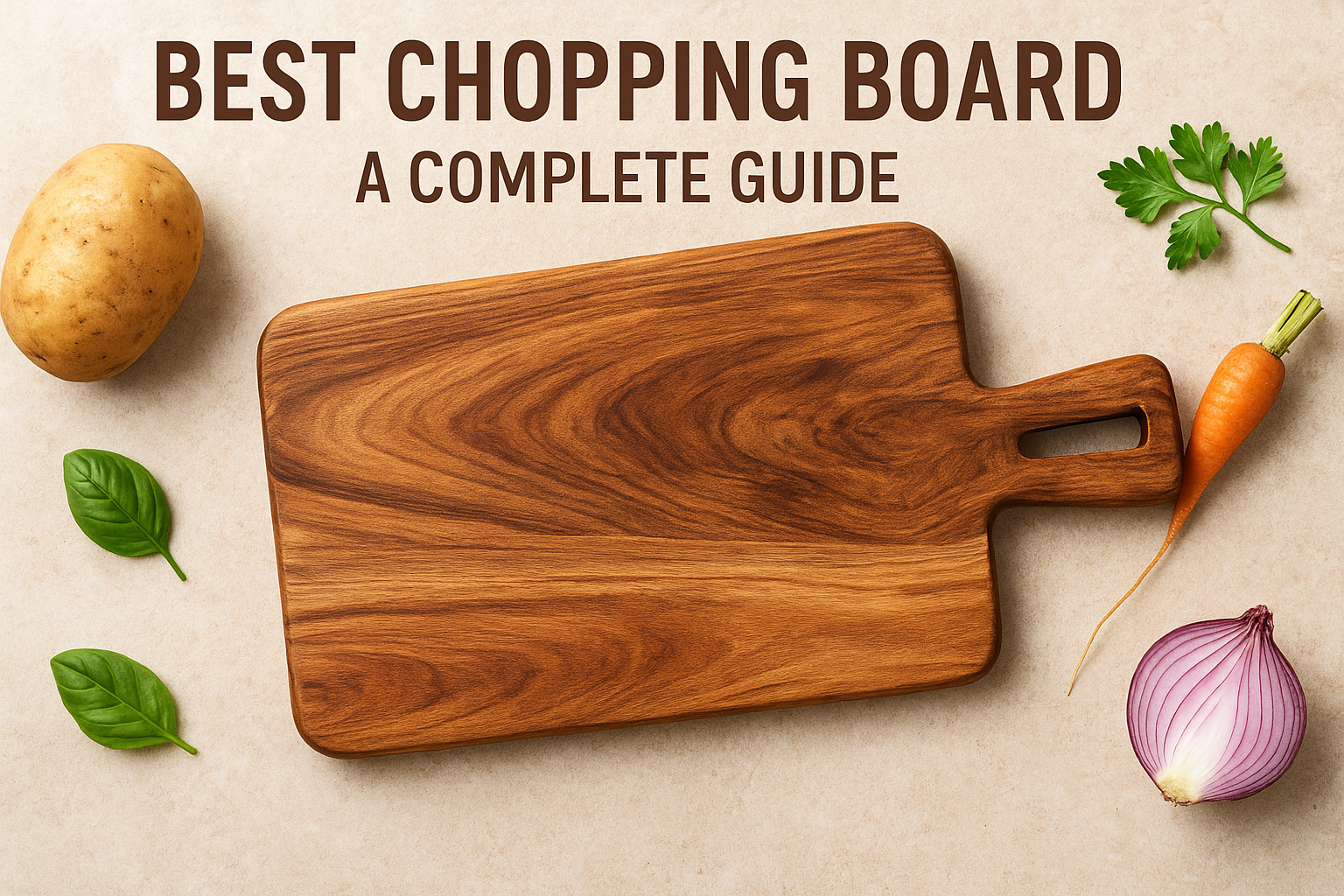
Choosing the best chopping board is one of the most important decisions for a functional, hygienic, and long-lasting kitchen. Whether you cook occasionally or every single day, the quality of your chopping board affects your food preparation, your knife’s lifespan, and even your health. In this guide, we will explore what makes a chopping board truly the best, the top materials to choose from, and why a wooden chopping board is considered the most reliable option.
Why Choosing the Right Chopping Board Matters
Most people think chopping boards are simple kitchen items, but in reality, they directly impact:
-
Kitchen hygiene
-
Knife sharpness
-
Food safety
-
Durability of your tools
-
Ease of cooking
A poor-quality board absorbs juices, stains easily, damages knives, and becomes a breeding ground for bacteria. This is why selecting a well-crafted, food-safe board is essential.
Which Chopping Board Material Is the Best?
1. Wooden Chopping Boards (Best Overall Choice)
Wooden boards are widely trusted by chefs, home cooks, and food experts. They are naturally antibacterial, knife-friendly, durable, and have an elegant natural look.
Benefits:
-
Naturally resistant to bacteria
-
Gentle on knives
-
Long-lasting and sturdy
-
Premium appearance
-
Can double as a serving platter
Best woods:
-
Sheesham (Rosewood)
-
Teak Wood
-
Acacia Wood
-
Mango Wood
Each of these woods offers strength, durability, and food-safe properties.
2. Plastic Chopping Boards
Plastic boards are affordable and lightweight but not the safest long-term option. Knives leave deep cuts which trap bacteria, and over time, plastic particles can mix with food.
Pros: Budget-friendly
Cons: Least hygienic, lightweight, easily damaged
3. Bamboo Chopping Boards
Bamboo is eco-friendly but harder than most wood types. This may dull knives faster. They also require more maintenance compared to solid wood boards.
What Makes a Chopping Board the Best?
When choosing the best chopping board, look for these features:
1. Solid Wood Construction
Solid wood boards are durable, hygienic, and heavy enough to stay stable during chopping.
2. Comfortable Grip or Handle Slot
A well-designed handle makes it easy to lift, hang, or move the board.
3. Knife-Friendly Surface
Boards with smooth finishing protect your knives and make chopping effortless.
4. Food-Safe Finish
Ensure the board is treated with natural, non-toxic oil, not chemicals.
5. Easy to Clean
A premium board should resist stains and prevent food juices from soaking in.
Why Wooden Boards Are the Best Chopping Boards
Wood has natural antimicrobial properties that restrict the growth of bacteria. This makes wooden chopping boards safer than most materials. They maintain knife sharpness, last longer, and offer a premium feel in your kitchen.
A high-quality wooden chopping board can also be used as a serving tray, cheese board, or platter, adding versatility.
How to Maintain a Wooden Chopping Board
To ensure long-lasting performance:
-
Hand wash only
-
Avoid soaking in water
-
Dry immediately after washing
-
Oil the board once a month using food-safe oil
This simple care routine keeps your board looking new and hygienic.
Final Thoughts
The best chopping board is one that combines durability, hygiene, and usability. Wooden chopping boards, especially those made from Sheesham, Teak, Acacia, or Mango wood, stand out as the top choice for modern kitchens. They are sturdy, natural, knife-friendly, and beautiful enough to be used for serving as well.
FAQs:
1. Which type of chopping board is the best?
Wooden chopping boards made from Sheesham, Teak, Acacia, or Mango wood are considered the best because they are durable, naturally antibacterial, and gentle on knives.
2. Is a wooden chopping board safe for daily use?
Yes. High-quality wooden boards are food-safe, strong, and resist deep cuts, making them ideal for daily vegetable, fruit, and meat preparation.
3. Can wooden chopping boards hold bacteria?
Wood naturally kills bacteria because it absorbs moisture and traps microbes beneath the surface, where they eventually die. This makes wood safer than plastic.
4. Which wood is best for a chopping board?
Sheesham, Teak, Acacia, and Maple wood are the top choices due to their hardness, food-safe properties, and long-lasting performance.
5. Should I oil my wooden chopping board?
Yes. Oiling once a month with food-grade mineral oil keeps the board protected, prevents cracks, and maintains a smooth, shiny surface.